



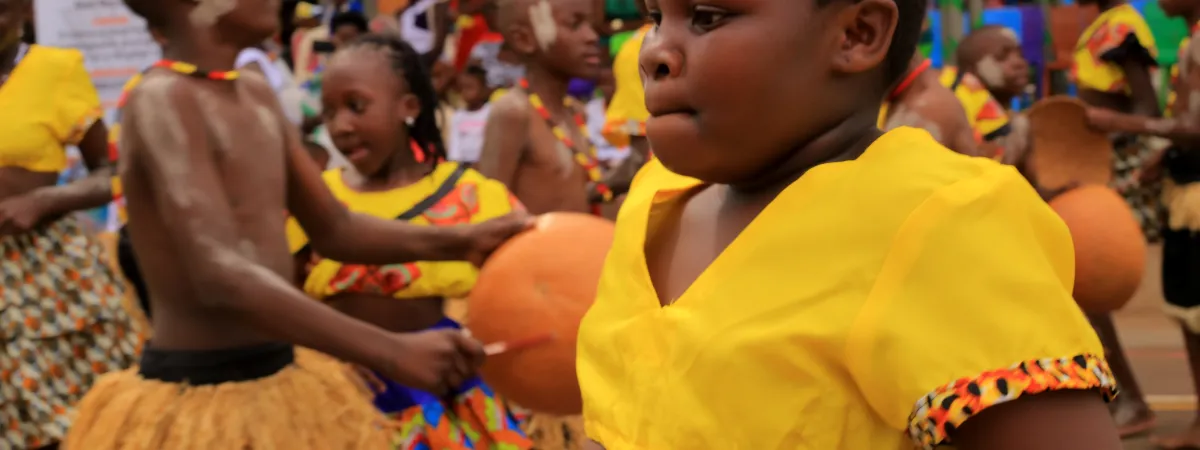
Traditional music and dance are not mere entertainment in Uganda—they are the heartbeat of our identity, history, and community. In a time when foreign pop culture increasingly dominates the airwaves and screens, our children risk growing up knowing every American rapper but never hearing the sound of an amadinda (xylophone) or the rhythm of the Bakisimba dance. Promoting traditional music and dance ensures that our young people stay connected to their roots, learn respect for their elders, and carry forward the stories, values, and wisdom embedded in every song and movement. A child who can perform their clan's traditional dance stands taller because they know they belong to something ancient and Honorable.
Beyond cultural pride, promoting traditional arts offers practical benefits for Uganda's economy and unity. Traditional dance troupes attract tourists, create jobs for young performers and instrument makers, and provide authentic experiences that set Uganda apart as a travel destination. At the same time, when a Muganda watches an Acholi Larakaraka or a Munyoro performs the Runyege, tribal barriers fade and a shared national identity grows stronger. Traditional music also promotes physical health, mental well-being, and community bonding in ways that modern sedentary entertainment cannot replicate.
The good news is that revival is possible. Schools can include folk songs in their music curriculum. Parents can take children to cultural festivals instead of only movies. Local governments can sponsor troupe competitions and instrument-making workshops. Most importantly, we can start at home—by clapping, singing, and dancing with our children, passing down what our grandparents taught us. Traditional music and dance are not relics of the past; they are living treasures waiting to be celebrated. Let us promote them proudly, before the drums fall silent forever.