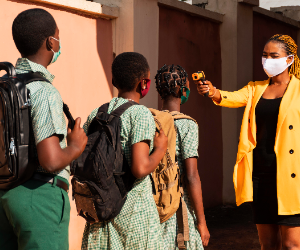





Start by creating a loose daily rhythm that balances structure with freedom. Set regular wake-up times, meal hours, and bedtimes to prevent the chaos of "anything goes." Fill the middle hours with a mix of outdoor play (running, biking, swimming), creative indoor activities (drawing, building, cooking), and quiet time (reading, puzzles, resting). Safety comes into play here: teach your children basic holiday rules—never open the door alone, wear helmets when cycling, stay in approved play areas, and know what to do if a stranger approaches. If they are home while you work, establish clear boundaries like "no stove" or "no answering calls" and practice emergency drills so they feel confident, not scared.
Beyond safety, the real secret to a peaceful holiday is purposeful busyness. Bored children often find trouble, but engaged children thrive. Set up simple daily missions: build a fort, write a letter to a grandparent, create a backyard obstacle course, or start a small garden. Involve them in holiday chores like folding laundry or making snacks—children feel important when they contribute. For older kids, consider safe local camps, volunteer opportunities, or learning a new skill like swimming or coding. And yes, screen time is fine in small doses, but pair it with offline challenges like "after one show, draw what you watched." Finally, don't forget that your attention is their favourite activity. A 15-minute game of cards or a walk around the block fills their emotional tank and reduces misbehavior faster than any gadget. The goal isn't to entertain them every minute—it's to create a holiday where they feel safe, useful, and joyfully tired at bedtime.