

GENDIG Conference Urges Action on Digital Gender Gaps
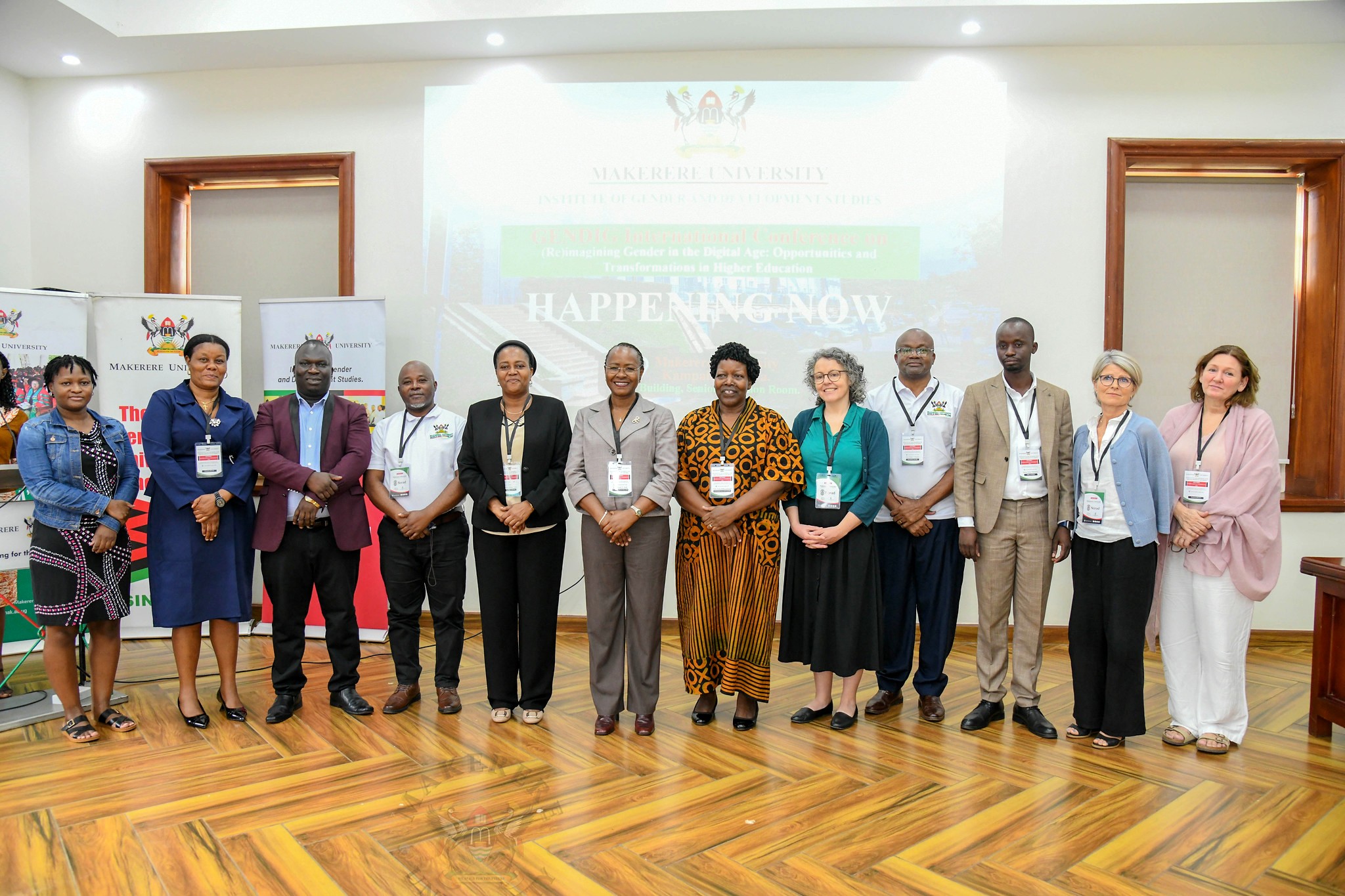
Participants at the International GENDIG Conference at Makerere University have stressed that digital transformation in higher education must actively address gender inequalities beyond merely supplying devices.
Delegates gathered at Makerere University for the two-day International GENDIG Conference have emphasised that digital transformation in higher education must move past mere device distribution to tackle systemic gender inequalities. Held from 17 to 18 November 2026 under the theme of reimagining gender in the digital age, the event drew researchers, practitioners and academics from across Africa and Europe to evaluate the progress and lessons of the collaborative GENDIG project funded by Norad.
Speaking on behalf of Vice Chancellor Prof. Barnabas Nawangwe, Acting Vice Chancellor Prof. Sarah N. Ssali cautioned that digital technologies are not socially neutral and risk perpetuating existing disparities if institutions fail to address structural barriers. Keynote speaker Dr. Molly Ott of Arizona State University further urged universities to scrutinize institutional governance, asking who receives digital training and who participates on decision-making committees to ensure equitable opportunities.
Concluding the event, Dr. Pamela Khanakwa outlined five critical operational areas where universities must intervene, encompassing inclusive teaching, gender-responsive research, balanced leadership, reduced digital divides, and measurable policy outcomes. Principal Investigator Dr. Lulu Simon Mahai also stressed that meaningful campus inclusion requires dedicated investments in assistive hardware, physical spaces, and robust civil society partnerships rather than basic technological spending alone.
Source: Makerere University. Read the original announcement for full details.

